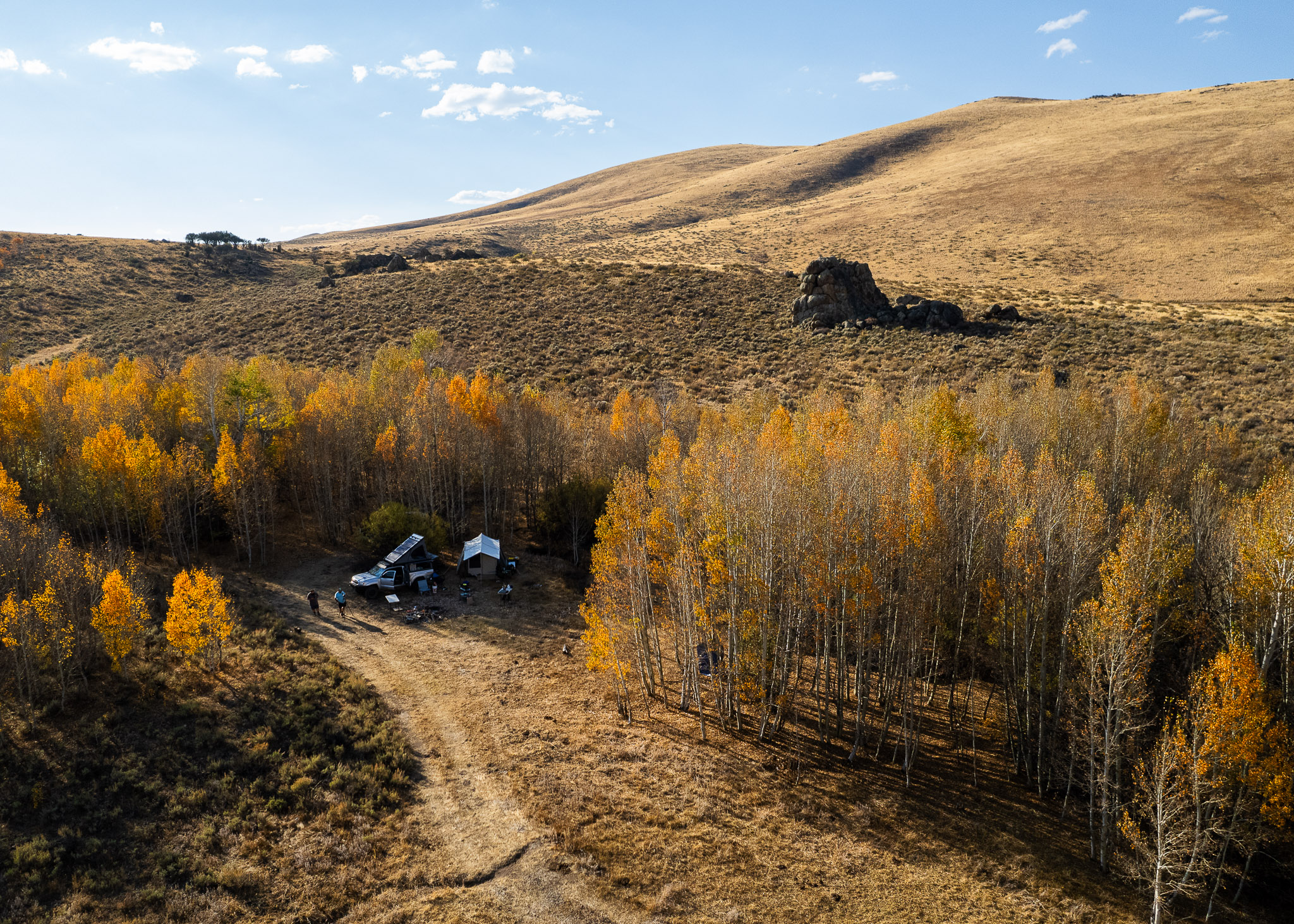
In 2019, I drew my first cow elk tag in units 061, 071. Despite a week of hunting with my dad and uncle, we came home empty-handed. This year, my dad drew a deer tag in the same area, and we were heading back for redemption. The new rifle slung across his shoulder promised better luck this time around.
As always, we rendezvoused in Wells, NV—our traditional starting point with just enough amenities to prepare for the remote mountains of northeastern Nevada ahead. This year, I had a surprise that had me giddy with excitement as I unpacked the truck. After years of listening to them refuse to upgrade their worn-out and insufficient gear, I'd assembled goody boxes for my dad and uncle—quality binoculars, rangefinders, and other essentials. The look on their faces as they held their new optics was worth every penny.
The stars seemed to align for this trip. The opener was a Saturday, the new moon a few days later, and we'd all taken the full week off. My biggest concern heading to camp was that our favorite campsite might be taken. With around 225 other hunters receiving tags for this area, plus upland bird seasons, and a couple of elk hunts in progress, we could be sharing the wilderness with plenty of company.
In an attempt to claim our spot before dealing with the crowds, I worked from the passenger seat of my uncle's truck using Starlink as we drove out on Friday. I was pleasantly surprised by how well it performed—never losing service even at 70mph or through the steep canyons that led to camp.
As we got closer, the off-roading crowd thinned out until we appeared to be the only trucks heading our direction. Lucky for us, we had the place to ourselves and our favorite campsite was vacant.
The familiar routine of setting up camp filled the remainder of the afternoon. We wrestled with the canvas tent, confused why it was taking so long. My dad and I had used it a month earlier on the pronghorn hunt.
With camp established and the light fading, we grabbed our gear for a quick trip up to one of our favorite glassing hills. We didn't expect to see deer that evening, and even if we did, the season wouldn't open until tomorrow. Still, a good scout now meant a better plan for the morning.
The Opener, Day 1
The season opener dawned cold and windy. Our goal for the day was simple: cover ground and reacquaint ourselves with terrain that had defeated us once before. I intended to explore every drainage we'd left unchecked during our last hunt. The first stop was the same glassing hill as the night before. We spent an hour or two with spotters and binos in hand, picking apart the landscape for deer, with only the occasional retreat to the truck to warm our hands and noses from the biting wind.
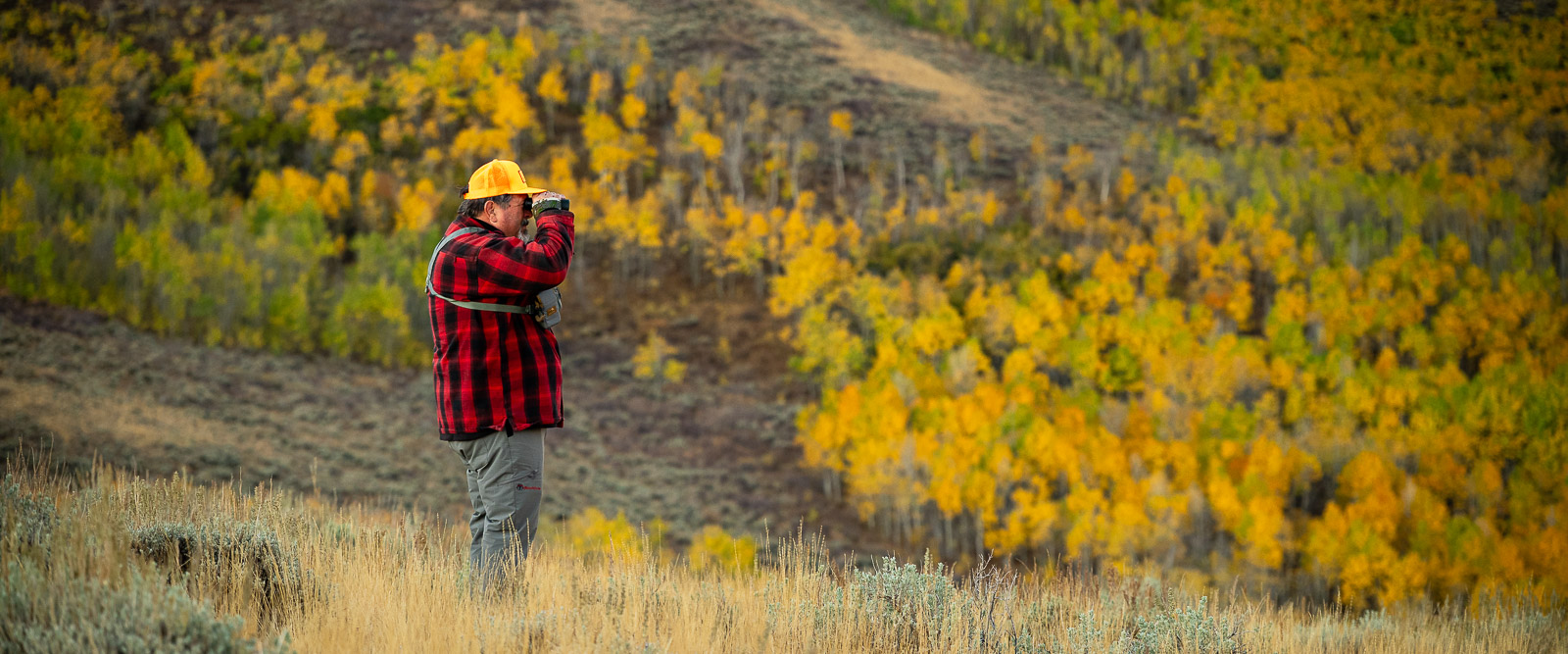
The morning glass revealed no deer, just pronghorn and what seemed like endless groups of cattle. "One benefit of late-season hunts," I joked as we glassed yet more cows, "is they move these damn cows out of here to warmer weather."
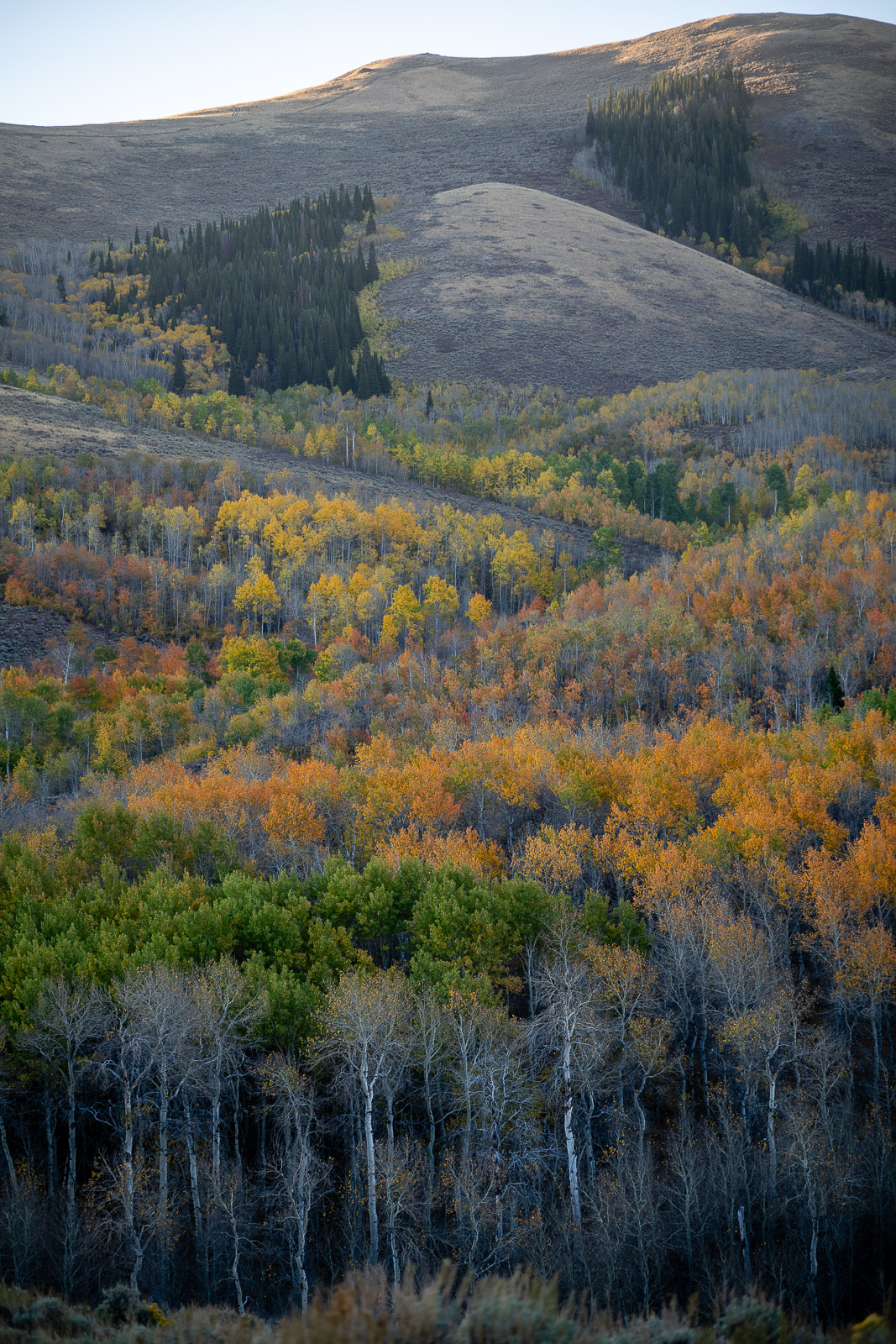
We moved on to a new spot tucked away in the timber and drainages of the area. Deer sign littered the ground around us. A few other hunters perched on distant ridgelines, silhouettes against the sky. We'd even managed to find a cow-free allotment to glass from, giving us a small victory for the day.
The silence of the hills told its own story—no gunshots meant nobody was finding deer. Fresh tracks and droppings told us deer were nearby, yet the animals themselves remained ghosts.
Even after 20+ years living in Nevada, the temperature swings in the high desert still surprise me. Morning frost gave way to sweltering afternoon heat as thermometers climbed from the mid-30s to the high 70s. We retreated back to camp, and strategized for the evening hunt between yawns and power naps.
As evening approached, we shook off the afternoon lethargy and positioned ourselves for another glassing session. Our enthusiasm remained high despite the morning's disappointment. The result, however, stayed the same—no deer, only more cows.
Day 2
We rose before dawn, the crisp mountain air nipping at our faces as we emerged from the warmth of our sleeping bags. There's not much to our morning routine on these hunts. We aren't coffee drinkers, and we don't eat much breakfast either. We're dressed, the truck loaded, and heading out of camp 30 minutes after waking.
Morning glassing yielded the same results as yesterday—nothing but pronghorn and cattle dotting the landscape. We explored more drainages near camp, our boots crunching through sage as the day warmed. The rhythm of our hunt felt mechanical: glass, back in the truck to a new location, glass again, but no deer.
As we drove to another glassing spot we spooked a group of grouse. "Stop! Where's the shotguns." We piled out of the truck in search of the grouse. The birds disappeared on us, yet the change of pace lifted our spirits as we spent an hour chasing the elusive birds across the rocky hillsides.
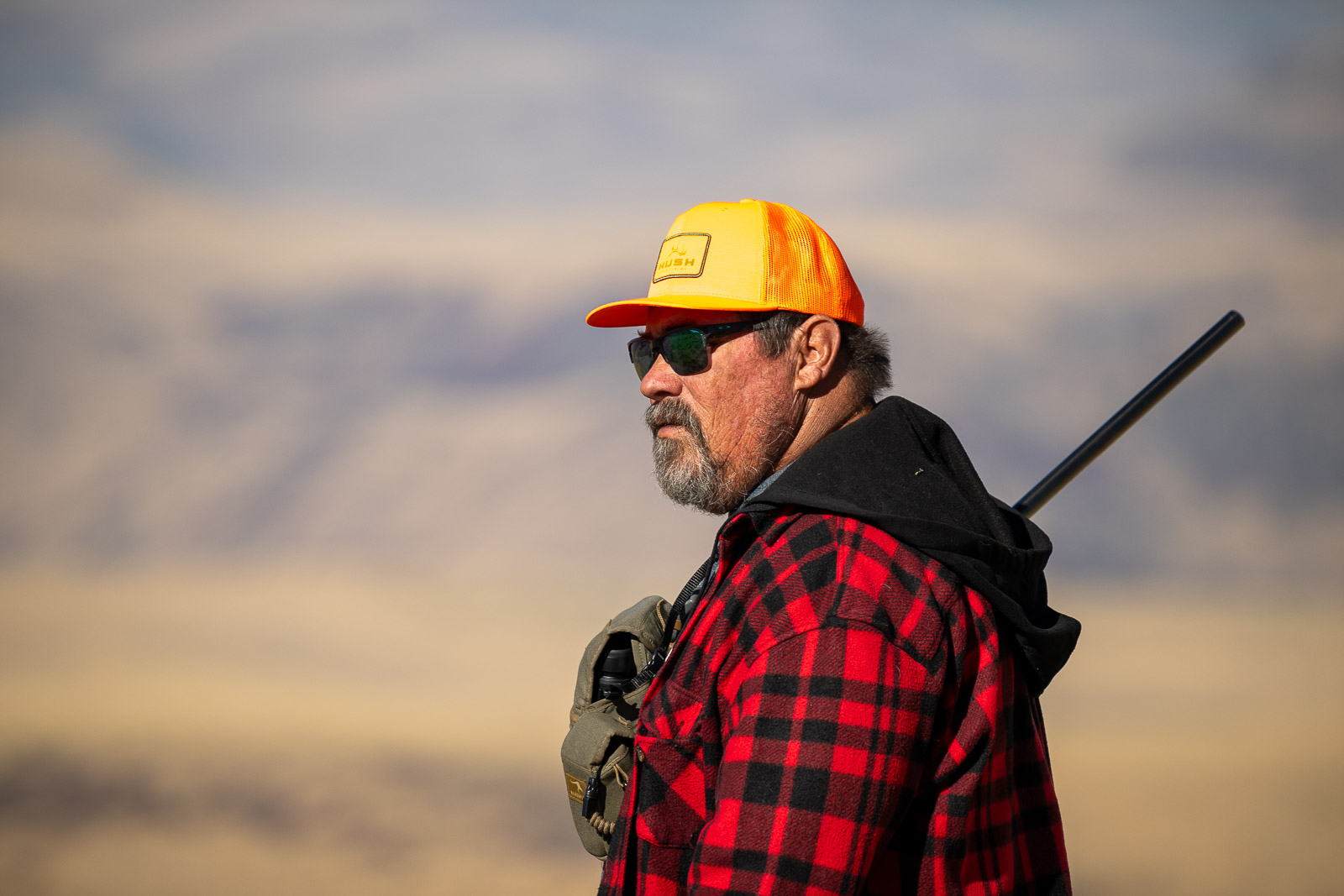
We withdraw to camp again to escape the heat, relax, and nap. As evening approaches we prep and depart camp for the evening hunt. We head back to the cow-less allotment hopeful for a chance at seeing a buck.
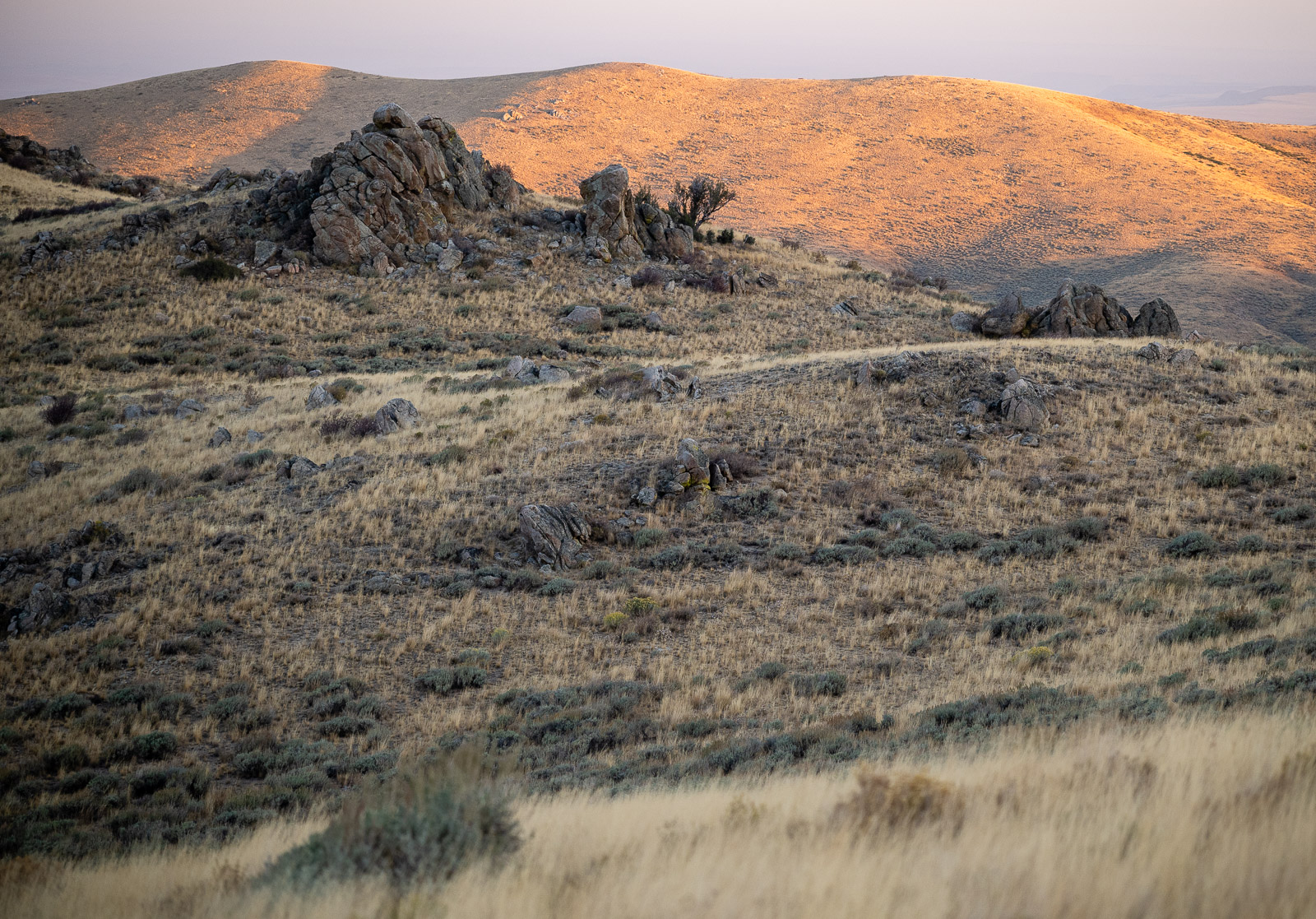
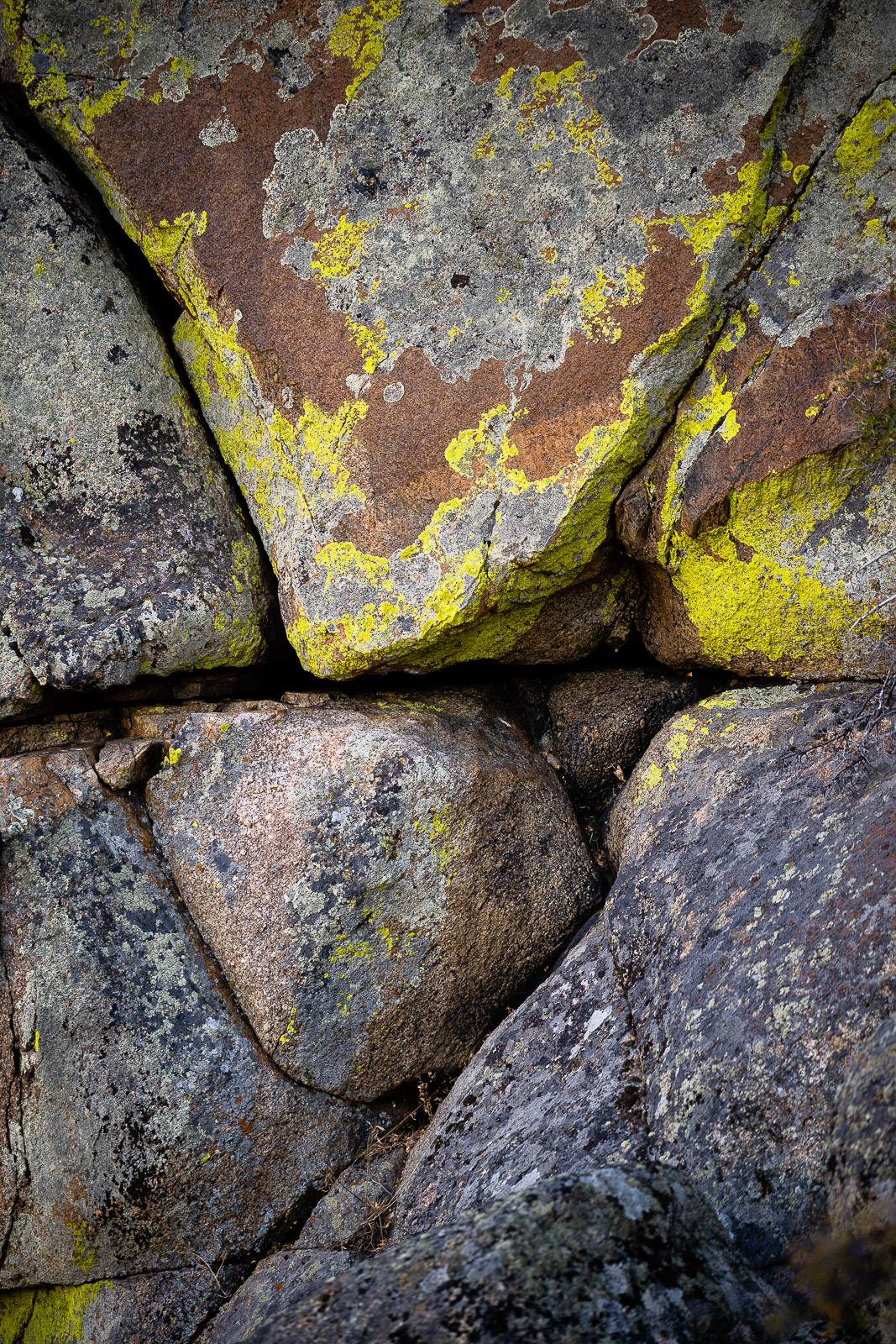
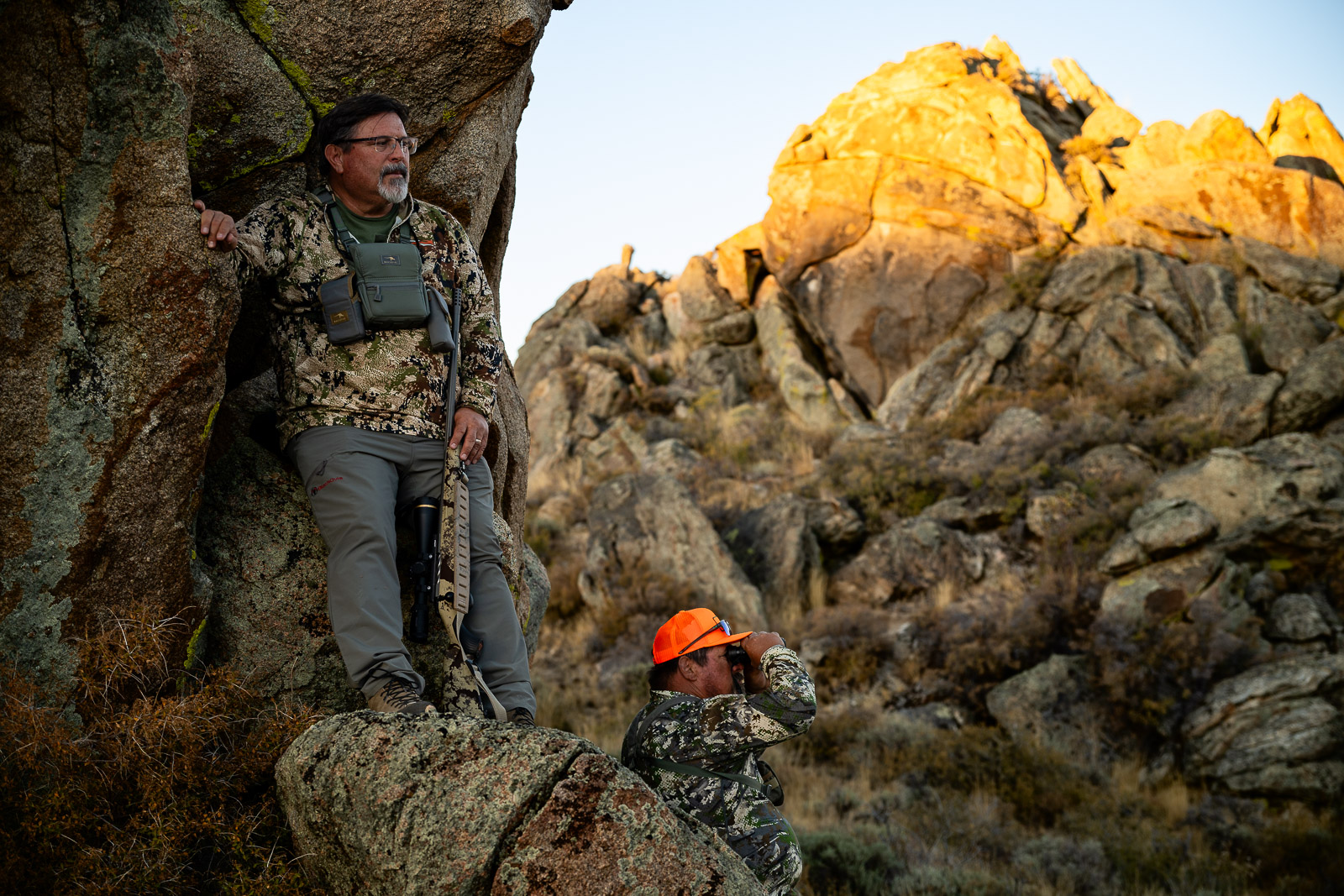
We settled in among lichen-covered rocks, spotting scopes and binoculars trained on the surrounding slopes. The light faded, painting the landscape in amber, then the pale blue of twilight. The day's hunting clock was winding down, and anxiety crept in. Two days in, and not a single deer sighting.
"The average temps are higher than normal," I remark. "With the new moon, they're probably only moving in the earliest morning and latest evening. The rest of the day, they're likely bedded in thick timber."
"Patience. We've got a whole week."
We stayed out past legal shooting hours, hoping to catch movement in the twilight. As the last light faded, our persistence was rewarded—not with a deer, but with a lone cow elk that materialized from the timber and began grazing in the open.
"Must be a sign of how hot it's been," I murmured, watching her through my binoculars.
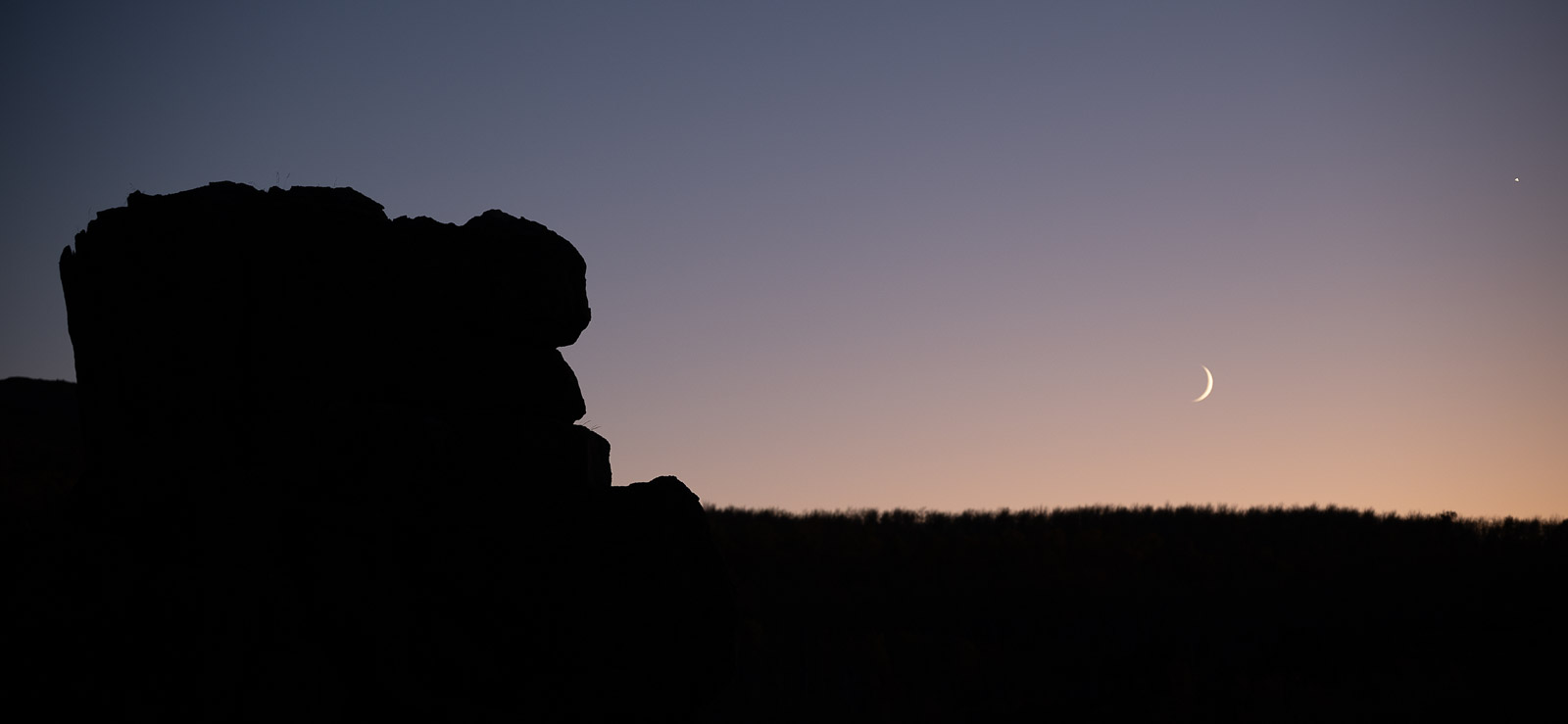
We lingered, hoping more deer—or more exciting, a bull elk—might follow her lead. Nothing appeared, but the nearly new moon rising over the jagged rock formations created a scene worth the wait. Walking back to the truck in near darkness I couldn't help feeling optimistic about tomorrow.
Day 3
We woke up hopeful on day three, dragging ourselves out of our sleeping bags 45 minutes before sunrise. The morning air felt a bit cooler than yesterday, with a slight breeze rustling through camp. We layered up, piled into the truck, and set out for Bearpaw Mountain.
Bearpaw loomed large behind our camp, the most prominent feature to the north. It is the last peak of the basin and range topography in the area. Looking south, you see the typical mountainous terrain of the Jarbidge Mountains. To the north, Bearpaw descends dramatically into the flat landscape of the Snake River Plain. The contrast is striking—impossible to capture in photos despite my many attempts.
The road up Bearpaw's western shoulder was steep and rocky, but solid—you don't even need four-wheel drive for the ascent. Once atop the false summit, the wind hit us full force. This was going to be a cold glassing session.
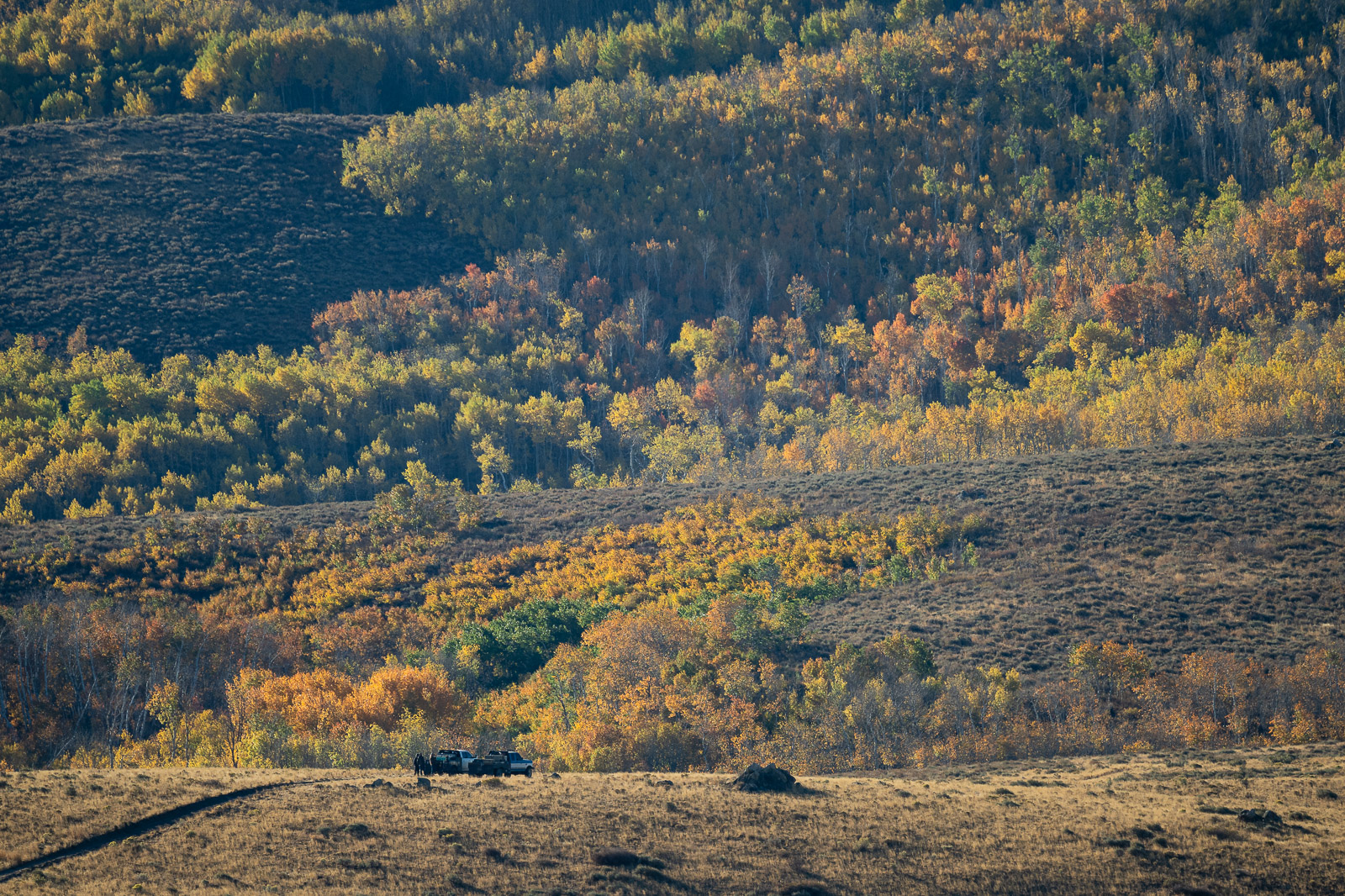
As we settled in, Dad pointed toward our Day 1 glassing hill. "Looks like we're not alone today." A group of hunters—probably six in three trucks—had set up where we'd been two days before. That evening at camp, I complained about how crowded it felt. Dad and my uncle laughed. "We've seen fewer than ten people in four days, and you think it's crowded!"
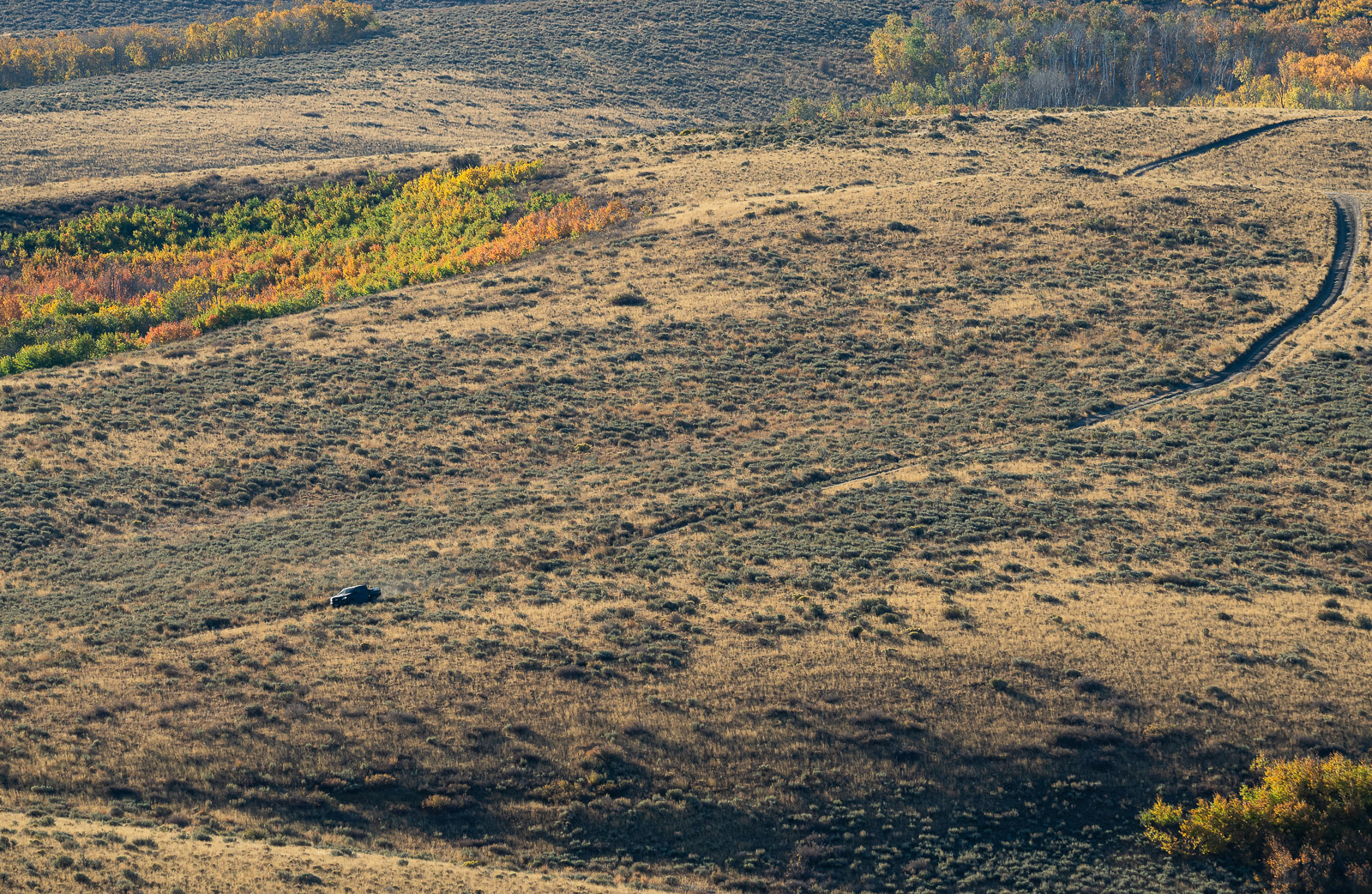
Thirty minutes into our morning glass, something caught my eye—movement just after a lone hunter drove down from the glassing hill. I focused my spotting scope and my heart jumped. A deer! About a mile away, its white rump highlighted against the brush as it walked away.
"Dad! I've got one—a deer!" I whispered, trying to contain my excitement. "I think it's a buck."
While Dad and my uncle watched the deer through their new optics, I marked the spot on my GPS. The deer wasn't in the open for long before disappearing into the timber, but our adrenaline surged. Our first chance at a deer!
We packed our gear quickly and set off for our first true stalk of the hunt. It was late morning, and I doubted we'd actually find the deer—at worst, we'd probably spook him. Still, Dad and I decided to stretch our legs and check out the area.
Sure enough, we found sign everywhere—fresh tracks, droppings, and plenty of mountain mahogany, a favorite food source for deer. We searched for nearly an hour but found no buck. I marked the area on my GPS and noted we should return for the evening hunt as we hiked back toward camp.
Jarbidge Detour
With the afternoon heat settling in and our spirits high from the morning deer sighting, we made an impromptu decision to run up to Jarbidge. We could top off the tank, grab a burger, and even fish the Jarbidge River. The idea of a brief escape from the hunt appealed to all of us. The tiny mountain town, with its handful of buildings clinging to the canyon walls, was only an hour's drive away. We piled into the truck and headed out.
After a quick stop for lunch, and a moose sighting we began our drive back to camp. We took one of the turn-outs on the narrow dirt rode to fish for awhile. I had my heart set on catching a bull trout—a long shot with the river running low and warm, but a chance at the most difficult fish on the Nevada Native Fish Slam was worth a try. The Jarbidge River flowed clear and inviting as we rigged our fly rods. Dad and my uncle explored upstream, I worked a series of pools downstream.
No bull trout materialized, but I landed several colorful trout in the 6-8 inch range. The simple pleasure of feeling a tug on the line refreshed my spirit. We decide to head back to camp, arriving with just enough time for our evening hunt.
The Evening Hunt
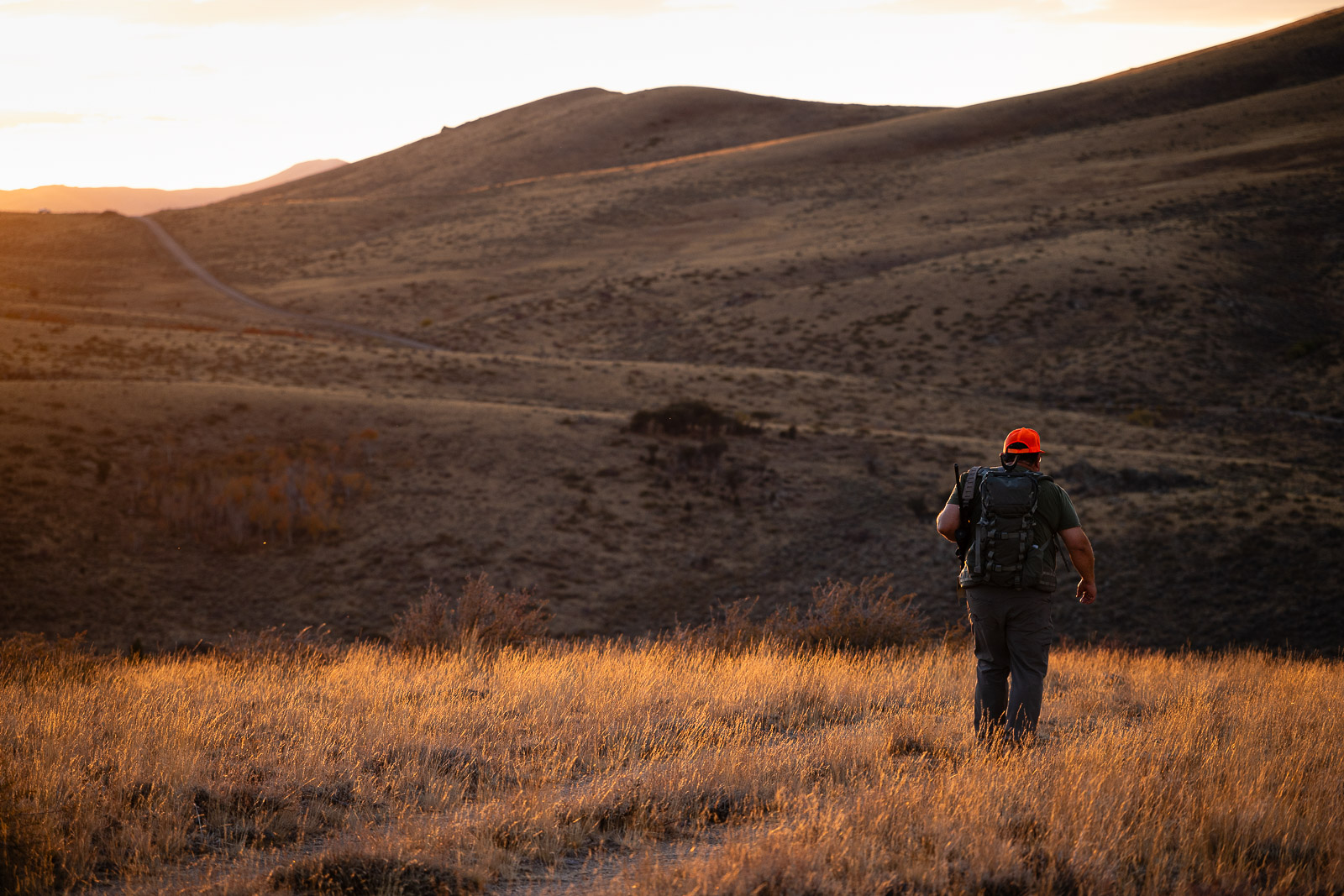
Once geared up for the evening hunt, we headed straight from camp toward the southwest, climbing a small ridge, crossing a draw, and circling one of the many rock piles. Suddenly, we froze—a small group of cows stood directly in our path. I silently cursed our luck, certain we'd blown any chance of seeing deer tonight. But Dad motioned to continue south, up another hill.
As we crested it, Dad grabbed my arm. "Deer!" he whispered urgently.
Several deer spooked over the next ridge, their white tails flaring upward in alert. We scrambled up the ridge just in time to see a group of about six deer walking over the rise to the east. My heart pounded as I fumbled with my rangefinder, but we didn't have enough time to set up for a shot before they disappeared.
The topography made pursuing them challenging. Our camp sat along a creek running southwest to northeast, squeezed between Bearpaw Mountain to the north and what I called the "Southern Butte" to the south. The terrain between the creek and the butte sloped upward to a wide, flat bench, dotted with springs and seasonal ponds. East of the bench stood another feature I'd dubbed the "Eastern Butte." Water erosion had carved a series of gentle ridges and draws perpendicular to the creek.
We stood on one ridge, watching the deer disappear over the next, debating our options:
- Plan A: Descend our ridge, cross the draw to the east, then climb the next ridge.
- Plan B: Continue south up our ridge until it joined the other at the bench about a half-mile away.
Plan A risked losing sight of the deer once we dropped into the draw. Plan B offered better visibility but might take us in the opposite direction from the deer. I figured they wouldn't head toward our camp or the cow-filled pasture to the north.
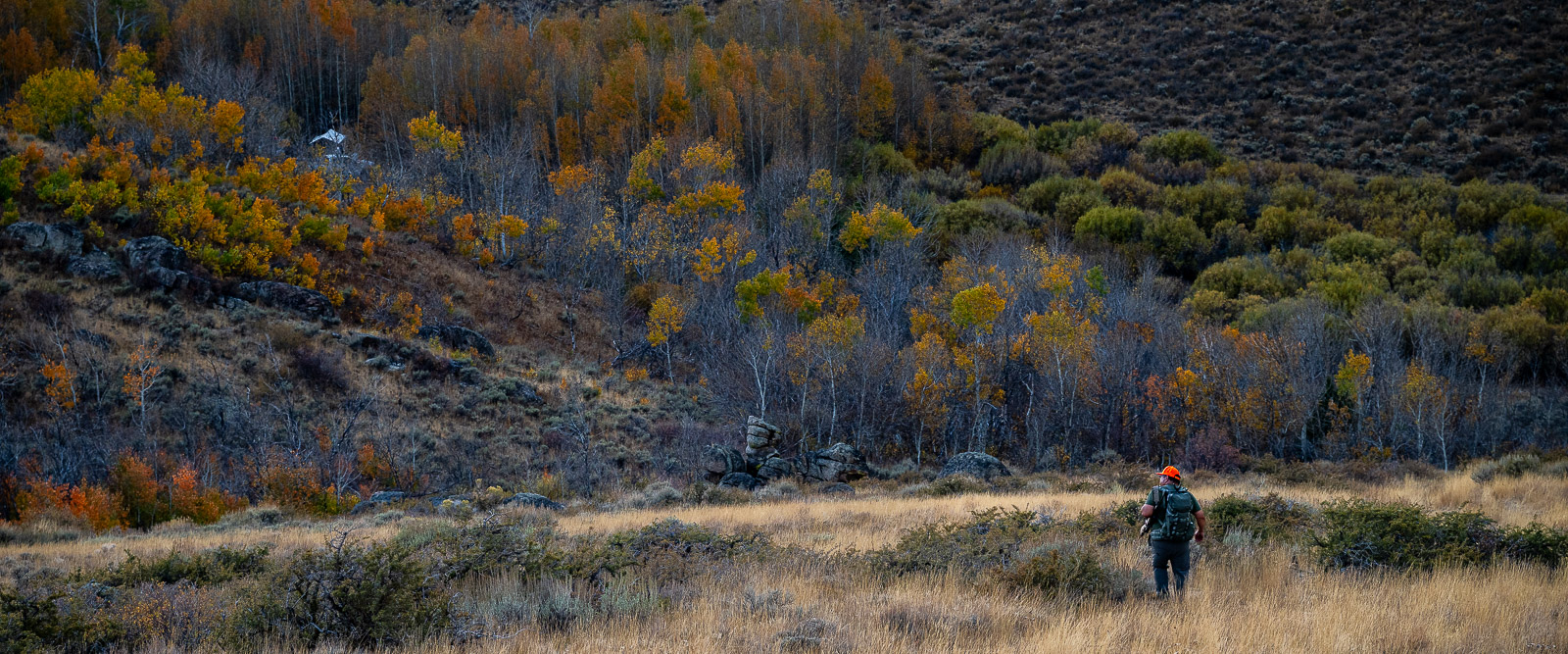
We settled on Plan C: descend into the draw, quickly climb the next ridge, then follow it up to the bench. Part of me just wanted to explore the bench I'd been eyeing since we arrived.
Despite our efforts, we never saw those deer again. But we gained valuable knowledge of the terrain, and as dusk fell and we descended toward camp, we spotted another lone cow elk on the slopes of Eastern Butte.
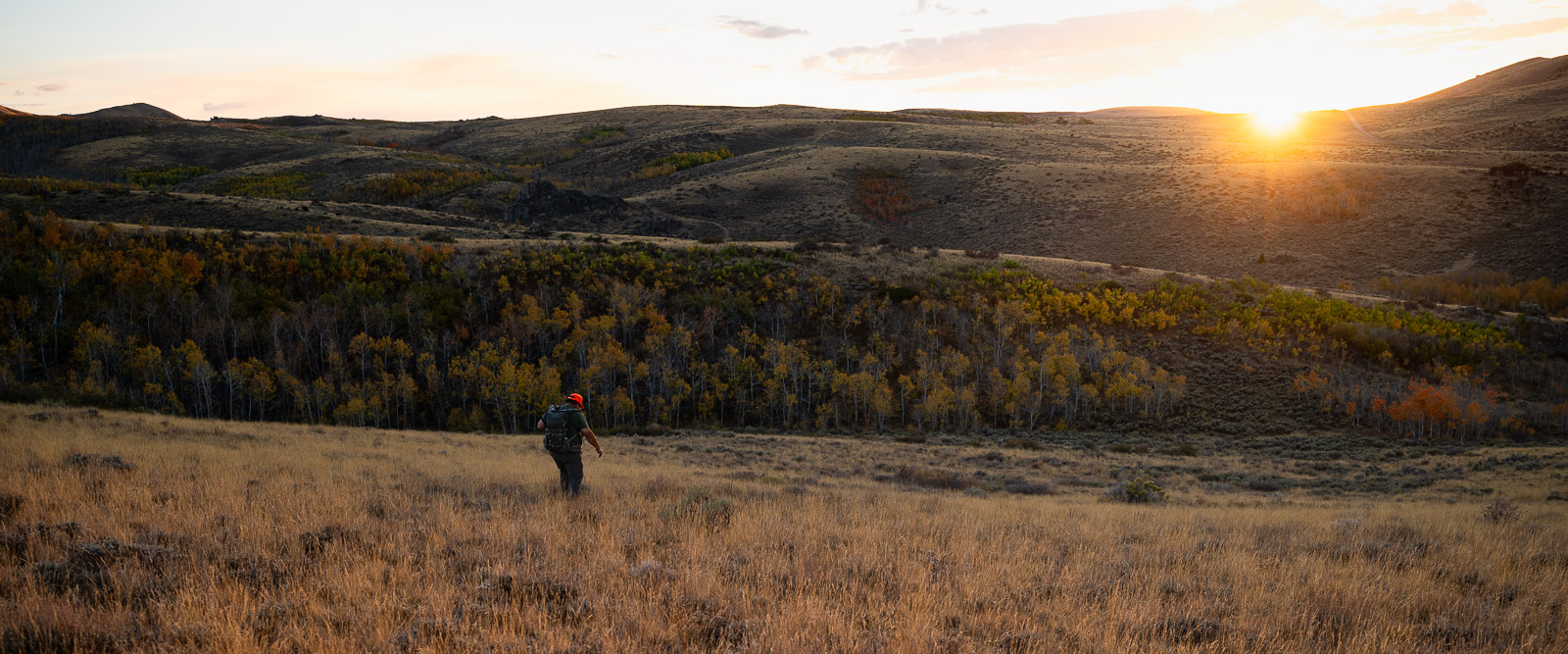
Day 4
After the excitement of Day 3, Dad and I woke up eager for more. My uncle, unfortunately, woke feeling under the weather and decided to sleep in. Dad and I headed back up to Bearpaw Mountain for another morning glassing session. We weren't as early as the previous day, but after finally spotting deer, our confidence was building.
Thirty minutes into our session, I spotted movement through my spotting scope.
"Dad! I see one. A deer! A deer!" My whispered exclamation came out more urgently than intended. This time, I was certain it was a buck. Even from 1.25 miles away, the antlers were visible through the scope.
Dad shifted over to look through the scope, his eyes narrowing as he focused. After a moment, he nodded. "Got him."
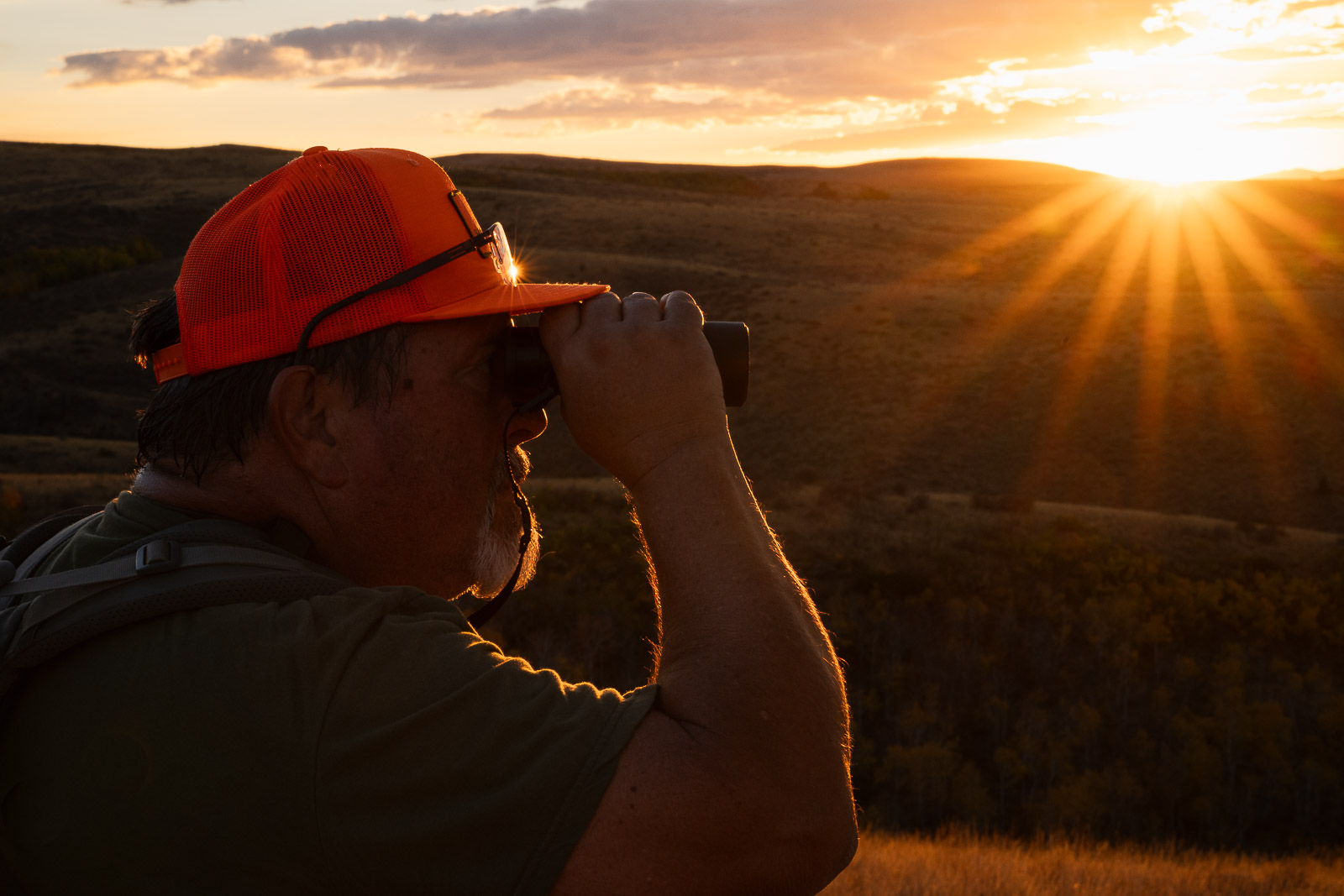
The buck was grazing just behind our camp on South Butte—about 500 yards from where we'd slept. We quickly formulated a plan: drive the truck to the field near camp and stalk from there, keeping the deer in sight the entire time.
Heart pounding, we descended from our glassing position, drove to the field's edge, and ditched the truck. On foot we hurried across the open terrain carefully, moved through a small willow thicket, and emerged about 400-500 yards below our quarry. The buck still grazing upslope, heading south, and undisturbed by us.
We continued closing the distance, trying to flank him from the west. At about 400 yards, the deer's head snapped up—he'd spotted us. He changed direction and started walking downhill toward a small grove of aspen. If he reached that cover, we'd likely lose him for good.
We quickened our pace, hoping to cut him off before he disappeared. Nearly 300 yards now. I set up the tripod while Dad readied the rifle, both of us partially concealed behind a tall sagebrush.
The buck was clearly onto us. I hooted and hollered, trying to get him to stop for a shot. He paused briefly, but not long enough for Dad to get a clean shot. To my surprise, instead of continuing downhill, the deer turned and headed straight uphill, slightly quartering away.
"Three hundred yards," I whispered, my rangefinder trained on the buck. "He's moving uphill."
Dad settled behind the scope as I dialed in a few extra clicks for the approximately 340-yard shot. I started hooting again, desperately trying to get the deer to stop.
The buck halted. My eyes glued to him through my binoculars. I held my breath.
BOOM.
Dad racked another round immediately. The deer didn't flinch. I saw a puff of dust kick up behind him. Had Dad missed? From my angle, it was hard to tell.
The buck took a few more steps uphill. A bad sign—wounded animals typically run downhill. I feared I'd misjudged the distance.
He took a few more steps, disappearing behind a bush. Then his hind legs began to buckle. My heart skipped as the animal crashed to the ground.
"He's down! He's down!" I couldn't contain my excitement.
I turned to Dad, whose face had broken into a grin behind his rifle. "Good shooting, old man! Now let's get to work."
The deer died quickly—a perfectly placed shot through both lungs. Though I had the general location, once down and hidden behind the bush, I could barely make out his antlers.
We split up. Dad hiked up to locate the deer while I returned to camp to get the truck and wake my uncle. To my surprise, he was still snoring in the tent, having slept through the gunshot entirely. I rushed him into the truck and headed up toward the deer. Fortunately, a small dirt road would get us level with the buck, meaning only a short hike with the meat.
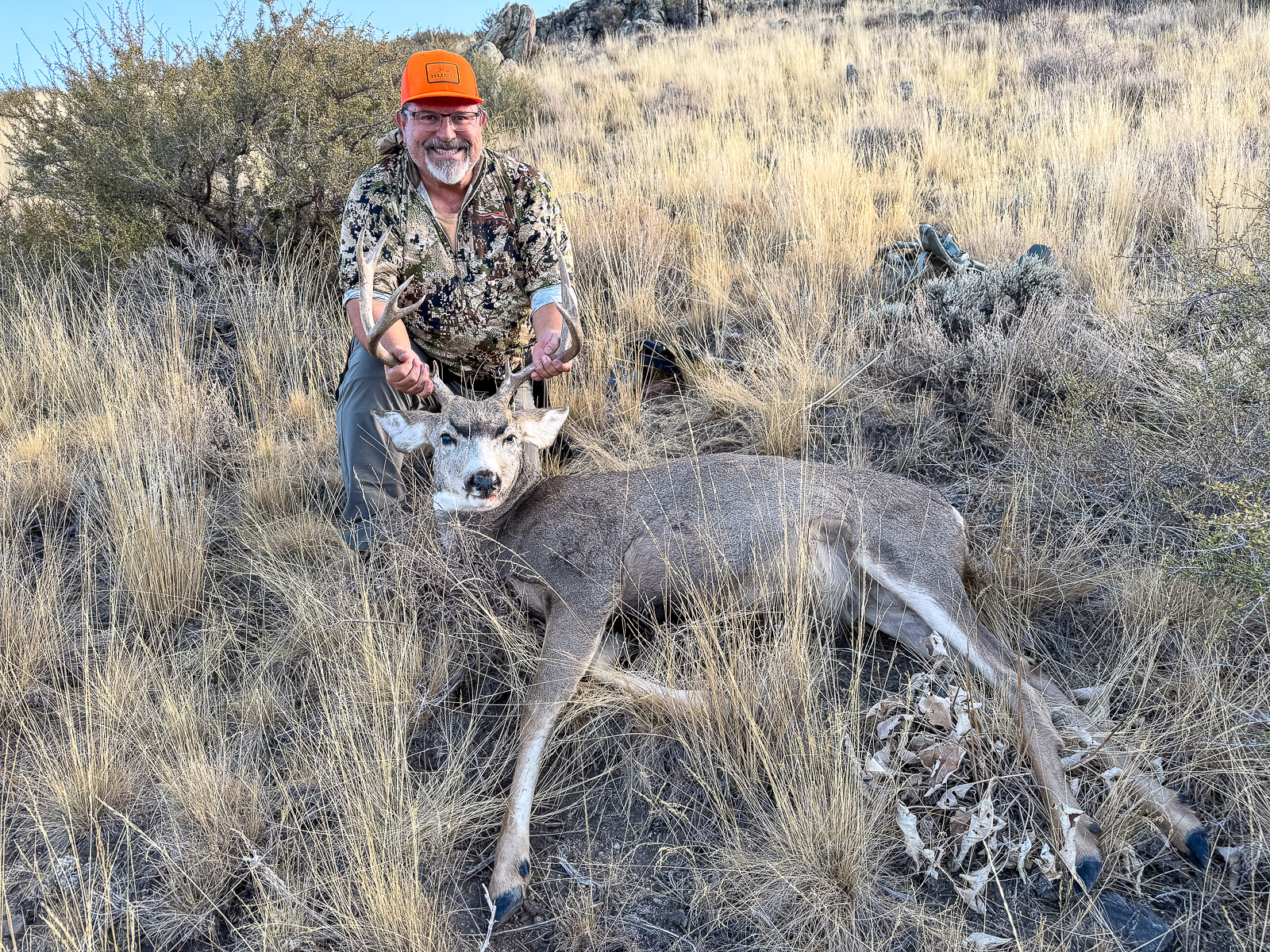
Once we located the deer, we quickly quartered him. I carried the first load of meat back to the truck—parked on the bench we'd explored the previous evening—while Dad and my uncle continued butchering. We could have hiked straight back to camp; I ranged the distance at only 530 yards.
The remainder of the day was spent relaxing around camp and packing for the trip out. Through my spotting scope, I found the carcass from camp. We occasionally checked to see what animals were enjoying the fresh kill—mostly ravens with an occasional hawk. The most impressive visitors were a pair of golden eagles we'd spotted several times during our stay.
With our tag filled and memories made, our spirits were high. The redemption we sought had been achieved.
Heading Home
We slept in on day five, savoring the satisfaction of a successful hunt. This had been the shortest hunting trip we'd ever completed—just four days when we'd planned for nine. With five days to spare and meat to keep cool, we debated our options over breakfast.
"We could head north and fish a bit in Idaho," I offered, the fishing bug clearly having bitten us after our Jarbidge detour. We settled on a fishing adventure, deciding to head toward Hailey, Idaho to check out the Big Wood River, with potential stops at the Salmon River near Stanley.
On day 7 we parted ways in Hailey, ID. Dad and my uncle heading back to Vegas to drop off the meat for processing, while I had planned to stick around Idaho for a few more days. Unfortunately, I'd caught the same cold that had kept my uncle in bed on day four. Reluctantly, I decided to pack it in and head home as well.
As I drove the long stretch of highway home, I reflected on our trip. We'd come seeking redemption for our empty-handed 2019 hunt, and we'd found it. Dad also laid to rest his lackluster reputation as a bad shot-two successful hunts within a month, both perfectly place shots. As with most hunting trips, the success wasn't measured only by the meat in the cooler. It was about the time spent, together in nature, the shared frustrations of fruitless glassing sessions, the camaraderie around camp, and those moments of pure exhilaration when the pieces finally came together.
And next year? As luck would have it Dad has already drawn an Arizona elk tag. The cycle continues, and so do our adventures together.